

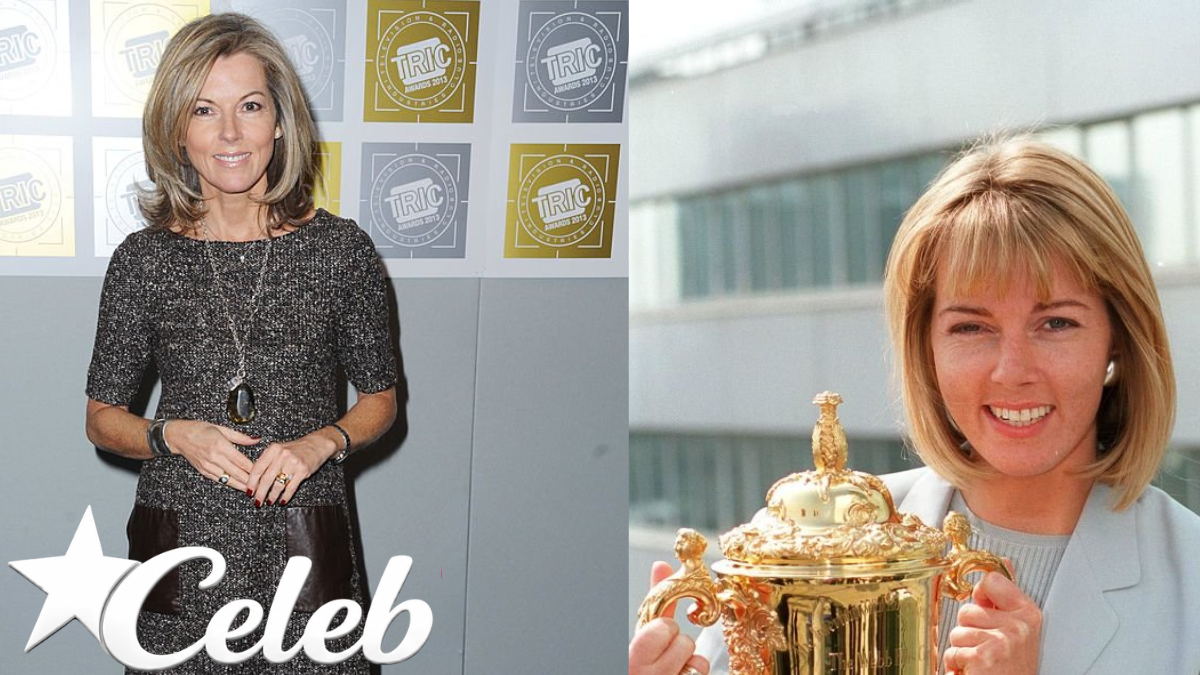
Discover the truth behind the Mary Nightingale illness search trends. This comprehensive guide covers recent deepfake rumors, vocal strain realities, career milestones on ITV Evening News, and updates on her health in 2026.
In the modern media environment, the boundaries separating international broadcasting landscapes have largely disappeared. For audiences in the United States, keeping up with prominent figures from across the Atlantic has become an everyday routine. When a trusted television anchor suddenly encounters a wave of online speculation regarding their well-being, the ripple effect spans globally. Recently, a notable surge in digital searches centered on the mary nightingale illness has sparked curiosity and concern among viewers worldwide, particularly in the U.S.
Mary Nightingale has been a stabilizing, authoritative presence on television screens for more than two decades. As the primary anchor of the ITV Evening News, her professional delivery and familiar voice have guided millions of households through major global events. However, the modern digital landscape can easily magnify casual inquiries or out-of-context clips into full-blown public scares.
The Anatomy of the Search Trend: Separating Fact from Fiction
When analyzing the phrase mary nightingale illness or the occasional typo variant JMary Nightingale illness, it is vital to trace where these terms originate. In most instances, an accumulation of search volume does not automatically indicate a real medical emergency. Instead, it often stems from automated algorithmic recommendations or overlapping public discussions.
Historically, when a high-profile news anchor takes a scheduled holiday or a temporary step back from their nightly slot, search algorithms react quickly to the shift in scheduling. For viewers accustomed to seeing the same anchor at the same hour every weeknight, even a minor change in the presenter lineup can trigger a wave of searches. In Nightingale’s case, queries regarding a potential illness have periodically spiked during routine breaks or minor absences, which are standard occurrences over a long career in daily live television.
Furthermore, the variation JMary Nightingale illness appears to highlight a common user behavior: blending titles like “Journalist Mary Nightingale” or accidentally hitting adjacent keys during mobile searches. The primary takeaway is that these search trends frequently build momentum on their own, transforming simple audience curiosity into an apparent viral health crisis that lacks a factual foundation.
Deconstructing the Mary Nightingale Deepfake Rumors
The most significant factor driving the recent interest in Nightingale’s status is not a medical diagnosis, but a sophisticated technological manipulation. The rise of Mary Nightingale deepfake rumors represents a serious example of how synthetic media can target public figures to manipulate audiences.
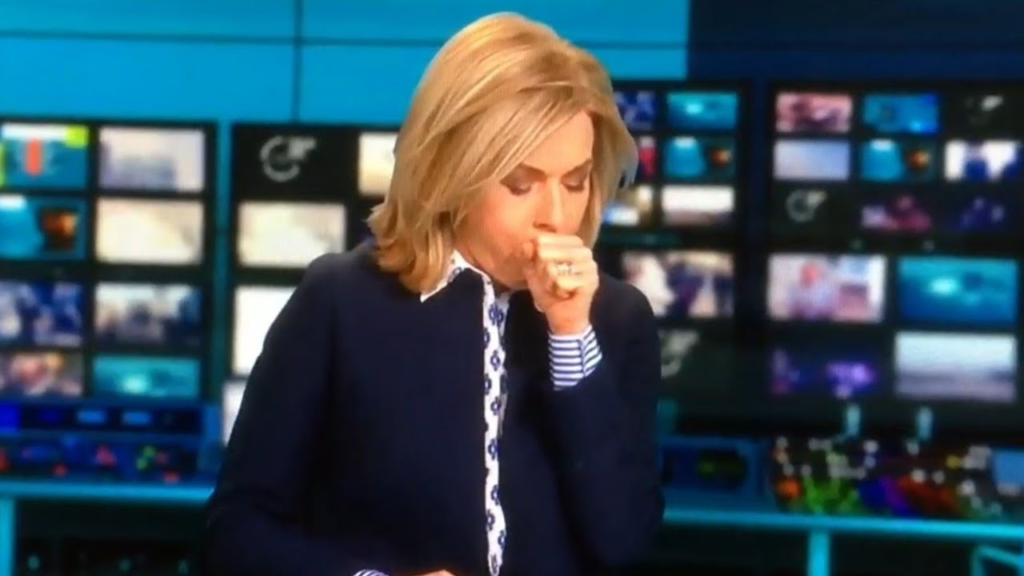
In early 2024, artificial intelligence tools were used to create highly convincing, unauthorized deepfake videos of Nightingale. These faked clips cleverly mimicked her appearance, posture, and vocal delivery, making it seem as though she was presenting an authentic, urgent bulletin on the ITV Evening News.
How the AI Manipulation Deceived Viewers
- Visual Cloning: Malicious actors took real footage from past broadcasts and modified the mouth movements to align with a completely fabricated script.
- Voice Mimicry: Advanced voice-cloning software analyzed her distinct speech patterns, resulting in synthetic audio that closely matched her actual delivery.
- Contextual Fraud: The creators designed the video to look like a breaking update, leading viewers to believe the broadcast contained crucial news.
Instead of sharing authentic information, these deepfakes were used to promote fraudulent mobile applications and financial scams. The faked footage often featured an AI-generated version of pop star Adele alongside Nightingale, falsely claiming that the app offered large financial payouts.
This sophisticated scam naturally caused confusion among viewers. Many who encountered the manipulated clips on social platforms like Instagram and Facebook assumed they were viewing a real health update or emergency announcement. This confusion directly fueled the online searches regarding a potential illness.
The Threat of Synthetic Media to Broadcast Journalism
The fallout from these synthetic videos extended well beyond standard celebrity gossip, prompting a swift response from ITN, the production company behind ITV News. The organization raised alarms over how slowly major social media networks responded when alerted to these deceptive videos.
“From our perspective, one of the first risks that we identified around AI was to our reputation. The easier it is to make deepfakes, the more it puts our reputation at risk, because our journalists would never promote a commercial good like that.” — Tami Hoffman, ITN Director of News Distribution
For an anchor whose entire career is built on absolute impartiality and public trust, having their image weaponized for commercial fraud is deeply damaging. The deepfake incident highlighted a growing vulnerability in the news industry: the ease with which bad actors can exploit a journalist’s credibility to bypass a viewer’s natural skepticism. As these AI tools continue to evolve into 2026, distinguishing between an official broadcast and a synthetic imitation remains a critical challenge for global audiences.
Addressing the Mary Nightingale Cancer Rumors
Whenever a prominent television personality faces persistent health inquiries, more serious speculations can emerge. The propagation of Mary Nightingale cancer rumors provides a clear look into how online echo chambers operate.
It is important to state clearly that there is no factual basis, official statement, or medical record indicating that Mary Nightingale has been diagnosed with cancer.
The persistence of these rumors highlights a common pattern on social media platforms and clickbait blogs. When an anchor experiences a voice issue or takes an extended summer break, lower-tier web platforms often generate speculative headlines to capture search traffic. By combining an anchor’s name with high-volume search terms like “cancer” or “illness,” these sites construct a false narrative out of thin air. For Nightingale, this dynamic turned standard professional transitions into stressful public misconceptions, forcing viewers to filter out significant digital noise to find accurate updates.
Occupational Hazards: Mary Nightingale Vocal Strain and Voice Problems
While the most dramatic rumors online are fabricated, broadcasting daily for decades does carry genuine physical demands. Exploring the realities of Mary Nightingale vocal strain and Mary Nightingale voice problems offers an authentic look at the physical toll of live television journalism.
A voice is a broadcaster’s primary tool, and the environment of a daily newsroom can place significant stress on an individual’s vocal cords. Anchors must sustain clear, authoritative, and modulated speech under intense, high-pressure conditions.
| Factor | Description | Impact on Voice |
|---|---|---|
| Studio Environments | Climate-controlled, low-humidity news sets. | Dries the vocal folds, increasing the risk of irritation. |
| Breaking News Demands | Continuous speaking for multiple hours without breaks. | Causes acute muscle fatigue in the larynx. |
| Acoustic Compensation | Adjusting pitch and volume to counter earpiece feeds and background noise. | Leads to long-term vocal cord inflammation if unmanaged. |
Over a career spanning more than 30 years, experiencing occasional bouts of laryngitis or vocal fatigue is entirely normal. When Nightingale’s voice has sounded raspy or lower in pitch during past broadcasts, it was generally the result of standard vocal strain rather than a chronic medical condition. However, because viewers pay close attention to an anchor’s vocal delivery, even minor hoarseness can quickly trigger online searches regarding their health.
Current Status: Mary Nightingale 2026 Health Update
As we navigate through 2026, the question on many viewers’ minds involves her current status. The latest Mary Nightingale health update shows that she remains in good health and continues her dedicated work in broadcast journalism.
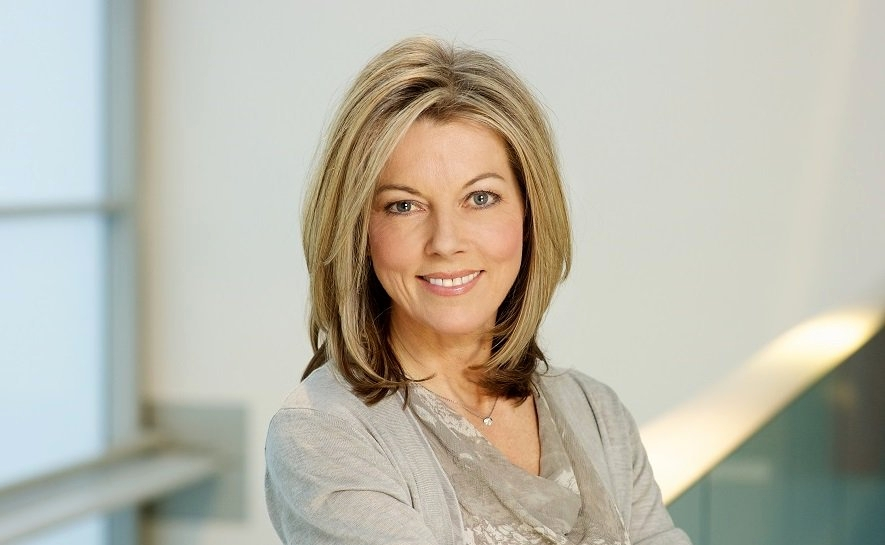
Reports focused on Mary Nightingale 2026 health confirm that she has not stepped down due to medical complications, nor is she battling a severe hidden illness. She continues to lead major news programming, maintaining the professional standards that have defined her career.
The main lesson from recent updates is the importance of relying on verified information. When public figures face health challenges, official communications are shared through their network employers or verified personal statements. The absence of any such announcements from ITV confirms that the anchor remains focused on her journalism career, effectively putting the persistent internet rumors to rest.
The Woman Behind the News: A Look at Mary Nightingale’s Biography
To understand her enduring connection with the public, it helps to look closely at the wider Mary Nightingale biography. Her path to becoming one of the UK’s most trusted journalists is built on a solid foundation of academic preparation and varied media experience.
Early Life in Scarborough
Mary Louise Nightingale was born on May 26, 1963, in the coastal town of Mary Nightingale Scarborough, situated in the North Riding of Yorkshire, England. The third of four daughters, her early childhood was marked by transitions, as her family relocated to Marlow, Buckinghamshire, when she was four, and later to Dartmouth, Devon. Growing up in diverse settings helped her develop an adaptable, observant perspective that would serve her well in her future reporting career.
Academic Background and Education
Her formal Mary Nightingale education reflects a commitment to analytical and literary studies:
- Secondary Education: She attended Danesfield School in Medmenham, followed by St Margaret’s School in Exeter, and completed her secondary schooling at King Edward VI School in Totnes, Devon.
- Higher Education: She attended Bedford College, University of London, where she earned a Bachelor of Arts in English. This deep engagement with language and text provided the foundational communication skills required for high-level broadcast journalism.
   [Early Life in Scarborough]
                │
                ▼
   [Education: BA in English at Bedford College]
                │
                ▼
   [Financial Journalism: TV Tokyo & Reuters]
                │
                ▼
   [Co-Anchoring the ITV Evening News (2001–Present)]
Career Milestones and Professional Recognition
The trajectory of the Mary Nightingale career stands out for its versatility. Long before she became a household name on the Mary Nightingale ITV Evening News, she developed her skills across a variety of specialized media environments.
She began her professional media career as a writer and presenter for TV Tokyo’s World Business Satellite. She then transitioned to BBC World’s World Business Report, where she analyzed complex corporate and economic trends for a global audience. In 1994, she joined Reuters Financial Television, anchoring early morning financial programs that required sharp analytical skills and real-time commentary.
In 2001, she accepted the role of main presenter for the ITV Evening News, a position she has held with distinction for a quarter of a century. Over the years, her portfolio expanded to include anchoring major national events, such as ITV’s special coverage for the historic passings of Queen Elizabeth II, Prince Philip, and Queen Elizabeth The Queen Mother.
Honors, Awards, and Estimated Value
Her work has earned significant industry recognition. The Mary Nightingale awards include winning the prestigious Newscaster of the Year title twice at the Television and Radio Industries Club (TRIC) Awards. This recognition highlights her ability to connect with audiences with clarity and empathy.
Regarding financial success, the Mary Nightingale net worth is estimated by industry analysts to be between $2 million and $5 million. This figure reflects her long-running role as a prime-time news anchor, her corporate hosting work, and her early career in international financial journalism.
Personal Context: Age, Husband, and Family Life
Understanding a public figure’s personal life often provides helpful context when evaluating sudden internet rumors. At Mary Nightingale age of 63, she has balanced a high-pressure, public-facing career with a stable and private home life.
Central to her personal support system is her marriage. Her husband, Mary Nightingale Paul Fenwick, is a television producer who previously worked as the Human Resources Director for the travel company Trailfinders. The couple married in April 2000 during a private ceremony in New York City, creating a partnership built on a shared understanding of the media industry.
Together, the couple focused on raising their Mary Nightingale family away from the continuous glare of the tabloid press. They share two children, Mary Nightingale Molly and Joe Fenwick. The family resides in Hammersmith, West London, maintaining a quiet lifestyle that stands in stark contrast to the dramatic and often groundless health rumors that occasionally circulate on the internet.
Practical Examples: A United States Guide to Spotting Celebrity Health Hoaxes
For audiences in the United States, managing international celebrity news requires a healthy dose of digital skepticism. To avoid falling for fabricated mary nightingale illness stories or sophisticated AI scams, readers can apply three practical evaluation steps.
Example A: The Red Flags of a Deepfake Video
Imagine you are scrolling through your social media feed and encounter a video of a trusted anchor delivering a shocking news bulletin. To verify its authenticity, look closely for these technical inconsistencies:
- Vocal Mismatch: Listen carefully to the audio. In deepfakes, the voice often sounds slightly flat or lacks natural breathing patterns. The pauses between words may feel robotic or unnatural.
- Visual Glitches: Pay close attention to the area around the mouth and eyes. If the lips blur slightly into the skin during complex words, or if the individual blinks rarely, you are likely looking at a synthetic video.
- Unusual Promoted Content: A reputable journalist will never use a news bulletin to endorse a financial app, a cryptocurrency platform, or a specific commercial product.
Example B: Auditing a Health Headline
If you encounter a headline that reads “Beloved Anchor Battling Severe Illness — Family Devastated,” perform a quick source audit before sharing the link:
- Check the URL: Is the story hosted on a recognized news website (such as BBC, ITV, Reuters, or the Associated Press)? If the address ends in an unfamiliar or strange domain, it is likely clickbait designed to generate ad revenue.
- Look for Corroboration: Open a separate browser tab and search for the anchor’s name. If a major health crisis were real, multiple reputable international news outlets would report on it simultaneously. If the claim appears on only one obscure blog, it should be disregarded.
Conclusion: The Path Forward for Informed Readers
The widespread interest surrounding the mary nightingale illness highlights the complex challenges of the modern media environment. As we observe the trends in 2026, it is clear that public curiosity about a trusted presenter can easily be amplified by deepfake technology, standard vocal fatigue, and online speculation. The reality remains reassuring: Mary Nightingale continues her long-standing career on the ITV Evening News, supported by her husband Paul Fenwick and their children Molly and Joe.
For engaged media consumers, the best path forward involves practicing consistent digital media literacy. Rather than accepting dramatic headlines or social media clips at face value, make it a habit to verify updates through official broadcast channels and established journalistic outlets. By developing a skeptical approach to unverified reports, audiences can protect themselves from misinformation and ensure that public check-ins on a broadcaster’s well-being remain grounded in respect and accurate facts.

9 Comments
I appreciate that this article focuses on separating verified information from online rumors instead of jumping to conclusions about Mary Nightingale’sBlog Comment Creation Guide health. It’s a good reminder that public figures deserve privacy, and readers should rely on confirmed updates rather than speculation when discussing sensitive topics like illness.
Pingback: Nate Bargatze Net Worth 2026 Wife, Family & Career Earnings
Pingback: Adrienne Camp The Inspiring True Story of Faith & Love
Pingback: The Disappearance of Nancy Guthrie Update 2026
Pingback: Paul Mauro Wikipedia Inside His Biography, NYPD & Net Worth
Pingback: Joan Kenlay The Untold Story of Robert Conrad’s First Wife
Pingback: Dee Dee Gatton Comprehensive Profile, Career Trajectory
Pingback: Ellen Heidingsfelder Life, Legal Career, Athletic Legacy, and Family
Pingback: Savannah Guthries Husband Michael Feldman Arrived in Arizona as Search Continues