

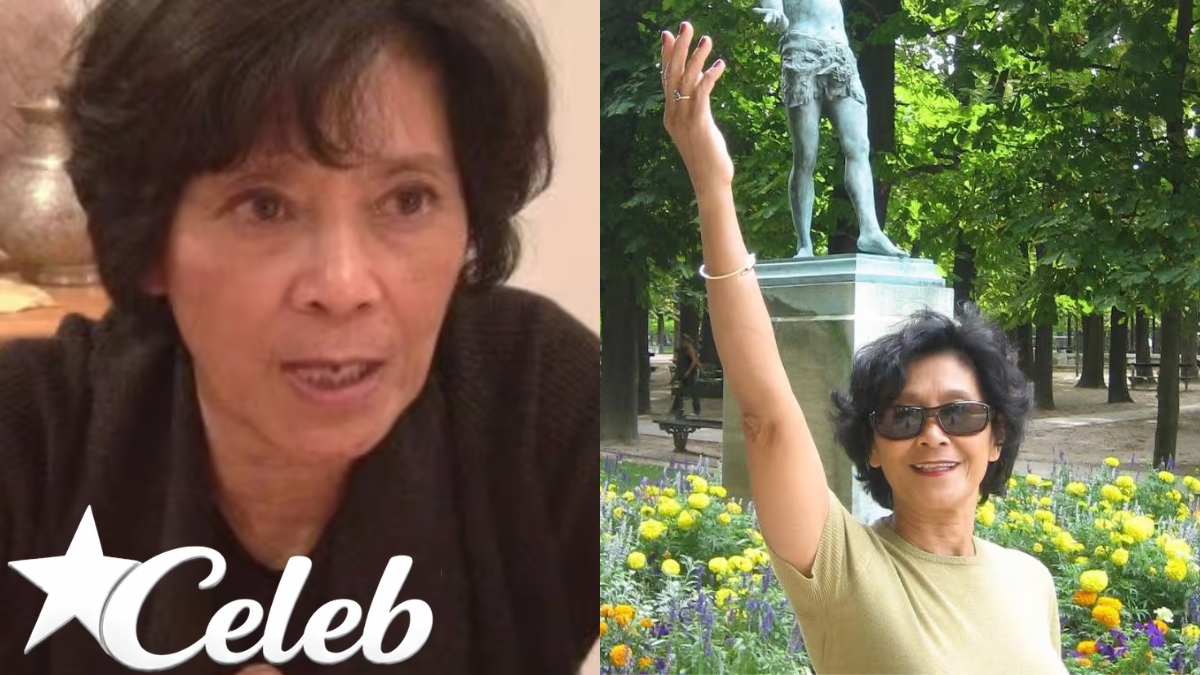
Discover the inspiring Tin Swe Thant biography. Learn about her compelling immigrant story, rich Burmese heritage, education at Swarthmore College, marriage to Carl Wagner, and her lasting cultural legacy.
Understanding the threads that compose the American tapestry often requires looking closely at individual family histories. In the landscape of political media and modern cultural memoirs, few family narratives are as compelling as that of Tin Swe Thant.
As a primary subject of deep exploration in contemporary discussions on identity, she is best recognized by the public as the mother of prominent journalist and television host Alex Wagner. However, her life represents something much larger than a footnote in media history. Her journey is a classic, yet deeply unique, encapsulation of the mid-20th-century immigrant experience, highlighting the intersections of Southeast Asian traditions and Western institutional life.
This comprehensive guide delves into the complete life, heritage, and influence of Tin Swe Thant, serving as a resource for readers looking to understand the profound cultural synthesis behind one of America’s most recognizable media families.
The Roots of Heritage: Early Life in Yangon
To understand the foundational elements of the Tin Swe Thant biography, one must trace her origins back to Yangon, Myanmar (formerly known to the West as Rangoon, Burma). Born into a changing geopolitical landscape, her Tin Swe Thant early life was shaped by the vibrant, deeply traditional environment of post-colonial Burma.
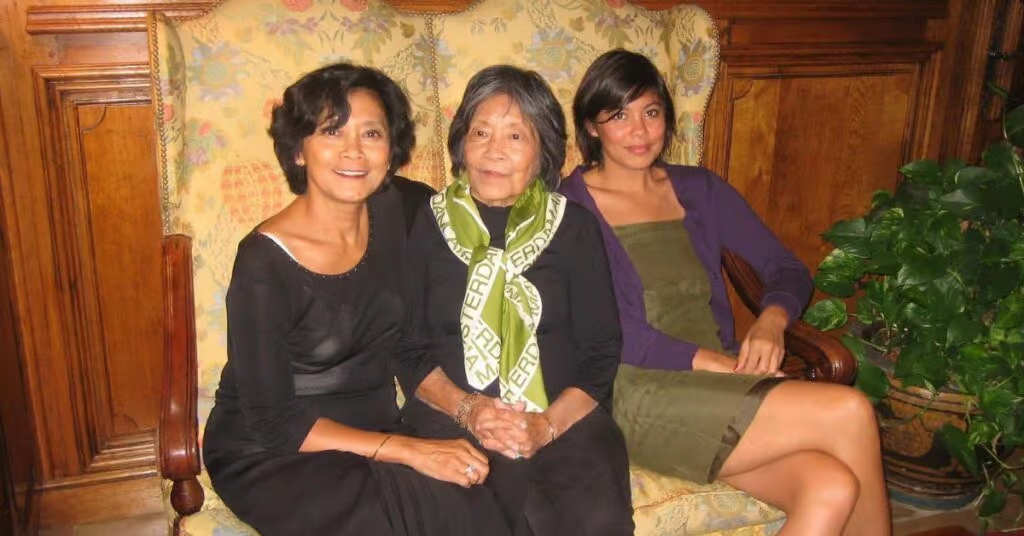
Growing up in Yangon, she was immersed in a society defined by a rich history of literature, closely-knit community structures, and profound spiritual rhythms. The city, known for its iconic golden pagodas and bustling cosmopolitan docks, provided a backdrop of academic expectation and cultural resilience. In this environment, she developed an intellectual curiosity that would eventually drive her to seek opportunities across the globe, carrying the values of her homeland with her.
Leaving Burma: A Classic Immigrant Story
The transition from Myanmar to the West forms the emotional core of the Tin Swe Thant immigrant story. Leaving behind the familiar streets of Yangon during a period of rising domestic political volatility, she embarked on a journey shared by thousands of brave individuals seeking higher education and new horizons in the United States.
Arriving in a country undergoing its own profound social transformations, she had to navigate the dual realities of preserving her core identity while adapting to the rapid pace of American life. Her migration was not merely a physical relocation; it was a total reconfiguration of her daily existence, requiring immense personal fortitude, adaptability, and an unyielding commitment to her long-term goals.
The Path of Higher Education: Swarthmore College
A pivotal chapter in her adaptation to American society occurred within the halls of academia. Her dedication to learning led her to Tin Swe Thant Swarthmore College, a highly selective and prestigious liberal arts institution in Pennsylvania known for its rigorous academic standards and socially conscious student body.
Navigating an elite American college as an international student from Southeast Asia during that era presented significant challenges. However, her time at Swarthmore solidified her intellectual foundation and provided her with the structural tools to thrive professionally. Her experience stands as a testament to the power of Tin Swe Thant education, demonstrating how immigrant scholars have historically enriched American campuses with unique global perspectives.
Identity and Adaptability: The Name Change
One of the most fascinating aspects of her assimilation process involves the administrative and social adjustments she had to make regarding her personal identity. In traditional Burmese culture, individuals do not possess hereditary family surnames; instead, names are comprised of distinct given elements often chosen based on the day of the week a child is born.
When establishing her legal footprint in the United States, she encountered an administrative system built strictly around the Western first-middle-last convention. This friction necessitated a formal adjustment—a shift often discussed in genealogical research as the Tin Swe Thant name change. By structuring her traditional names to fit American legal documents, she engaged in a symbolic balancing act: modifying the exterior presentation of her identity to navigate Western infrastructure while preserving the linguistic roots of her origin.
Establishing Footprints: The Long Island Connection
As she built her professional and personal life in the United States, her geographical footprint expanded throughout the Northeast corridor. While much of her family’s public-facing life centered around the political hub of Washington, D.C., regional connections link her history to areas like Tin Swe Thant Long Island.
Her work as an educational researcher and professional developer meant interacting with various institutional frameworks across New York and the mid-Atlantic. The suburbs and educational networks of the Northeast served as standard staging grounds for naturalized citizens of her generation, providing spaces where global heritage could integrate seamlessly into local American communities.
A Union of Diverse Worlds: Marriage to Carl Wagner
The narrative of her life took a historic turn through her relationship with Tin Swe Thant Carl Wagner. Her Tin Swe Thant husband, Carl, was a monumental figure in American political history—a legendary Democratic Party strategist who famously co-chaired Bill Clinton’s successful 1992 presidential campaign and advised generation-defining political movements.
| Profile Dimension | Tin Swe Thant | Carl Wagner |
| Cultural Origin | Yangon, Myanmar (Burma) | Lansing, Iowa (Luxembourgish/Irish/German) |
| Educational Anchor | Swarthmore College | Loras College |
| Professional Domain | Education Research & Development | National Political Consulting |
Their marriage represented a profound intersection of two completely different versions of the American story: one rooted in the rural, Midwestern heritage of European immigrants, and the other born from the urban, intellectual spheres of Southeast Asian migration. Together, they built a household where political strategy and global consciousness coexisted.

The Next Generation: Tin Swe Thant Alex Wagner Mother
The cultural synthesis of her marriage bore fruit in the upbringing of her family. Tin Swe Thant is most widely recognized across the country as the Tin Swe Thant Alex Wagner mother. Her daughter, Alex Wagner, has achieved immense national prominence as a journalist, author, and television anchor.
“I naturally thought of myself as the daughter of a white American. I never questioned that. But other people thought I must be from some other place…”
— Alex Wagner reflecting on her mixed heritage during the launch of her memoir.
The maternal influence of Tin Swe Thant was instrumental in shaping Alex’s worldview. Growing up with a mother who possessed a deep well of international history allowed Alex to view American politics through a distinctly nuanced lens. This unique upbringing ultimately inspired Alex to write her critically acclaimed book Futureface, which centers heavily on unearthing the mysteries and truths of her mother’s side of the family.
Faith and Continuity: Navigating Religion
Spirituality forms another vital pillar of this family biography. Coming from Myanmar, where Theravada traditions are deeply woven into the fabric of daily life, her background is profoundly rooted in the Tin Swe Thant Buddhist tradition.
Navigating a multicultural home meant that Tin Swe Thant religion existed alongside the Roman Catholic traditions of her husband, Carl. Rather than causing friction, this dual-faith environment created a diverse spiritual landscape for her household. While her daughter Alex was raised primarily in the Catholic faith, the ethical values, mindfulness, and philosophical underpinnings of her mother’s ancestral background remained an enduring structural element of the household’s identity.
Legacy in Bloom: Children, Grandchildren, and Family Structure
When examining the extended Tin Swe Thant family, the narrative clearly shifts from one of initial isolation as an immigrant to one of rich community expansion. Her legacy is deeply visible in the lives of her Tin Swe Thant children and the emerging generations.
Through her daughter Alex’s marriage to culinary figure and former White House advisor Sam Kass, the family expanded to include two Tin Swe Thant grandchildren (born in 2017 and 2019). The presence of these grandchildren highlights the evolution of the modern American family—where children carrying ancestral roots from the towns of Iowa and the golden pagodas of Yangon run together in modern American neighborhoods.
The Modern Perspective: Cultural Influence in 2026
Looking at her journey from the standpoint of Tin Swe Thant 2026, her story has taken on an even deeper resonance. In an era where national conversations about immigration, mixed-race identity, and historical belonging are more prominent than ever, her life serves as an inspiring blueprint.
The ongoing public interest in Tin Swe Thant age and her enduring Tin Swe Thant cultural influence reflects a broader societal desire to celebrate the quiet, foundational figures who support celebrated public leaders. Her journey from an eager student arriving from Yangon to a matriarch of an influential American media family highlights the beauty and success of the naturalization process.
Practical Examples: Navigating Multicultural Genealogy
For families inspired by her story who are looking to trace their own mixed heritages or navigate cross-cultural family records, her biography offers several practical takeaways:
- Deconstructing Traditional Names: When researching ancestors from cultures without traditional surnames (like Myanmar), look for naming patterns based on astrological charts or birth days rather than tracking standard patrilineal last names.
- Balancing Oral History with Legal Records: As demonstrated in Futureface, colonial administrative changes often mask original family lineages. Cross-reference immigration manifests with local community records from the homeland.
- Preserving Multi-Faith Artifacts: Documenting how a household balances distinct religious traditions (such as Catholicism and Buddhism) provides future generations with an invaluable roadmap for their own identities.
Conclusion and Next Steps
The life of Tin Swe Thant is far more than a simple immigration chronicle; it is a profound testament to how culture evolves, adapts, and enriches the American fabric across generations. From the vibrant streets of Yangon to the academic community of Swarthmore College, and into the high-stakes world of American political media, her journey illustrates the quiet strength required to bridge disparate worlds.
Her enduring legacy is found not only in the text of historical memoirs but also in the continued contributions of her children and grandchildren, who carry her story forward into the future.
